
Retrospective Essay · Poker as Cinematic Motif
Poker on Screen
The Card Table as Stage
Poker has been a fixture of cinema since the silent era, serving as a dramatic device that brings characters into conflict, reveals psychology, and raises stakes without physical action. Early films used poker as a social activity, often in saloons or drawing rooms, without explaining the game's rules. The card table provides a contained space where dialogue, glances, and gestures can carry narrative weight. Poker scenes allow filmmakers to explore themes of risk, deception, and chance within a controlled setting.
“The poker table is one of cinema's most efficient stages: a fixed circle of faces, a shared object of attention, and a rule set that turns every glance into a possible lie.”
— Interpretive reading of poker's recurring screen role
Scope of This Retrospective
This essay traces how poker's screen portrayal evolved from simple social backdrop to a sophisticated cinematic language of tension and character. We focus on filmmaking techniques: framing, editing, dialogue, and performance. We compare three key films: Rounders, Casino Royale, and Molly's Game. We avoid gambling instruction and instead examine storytelling choices. This page is part of Cinema Legacy, an evergreen archive.
The Silent Era: Poker as Social Backdrop
Card Games in Early Cinema
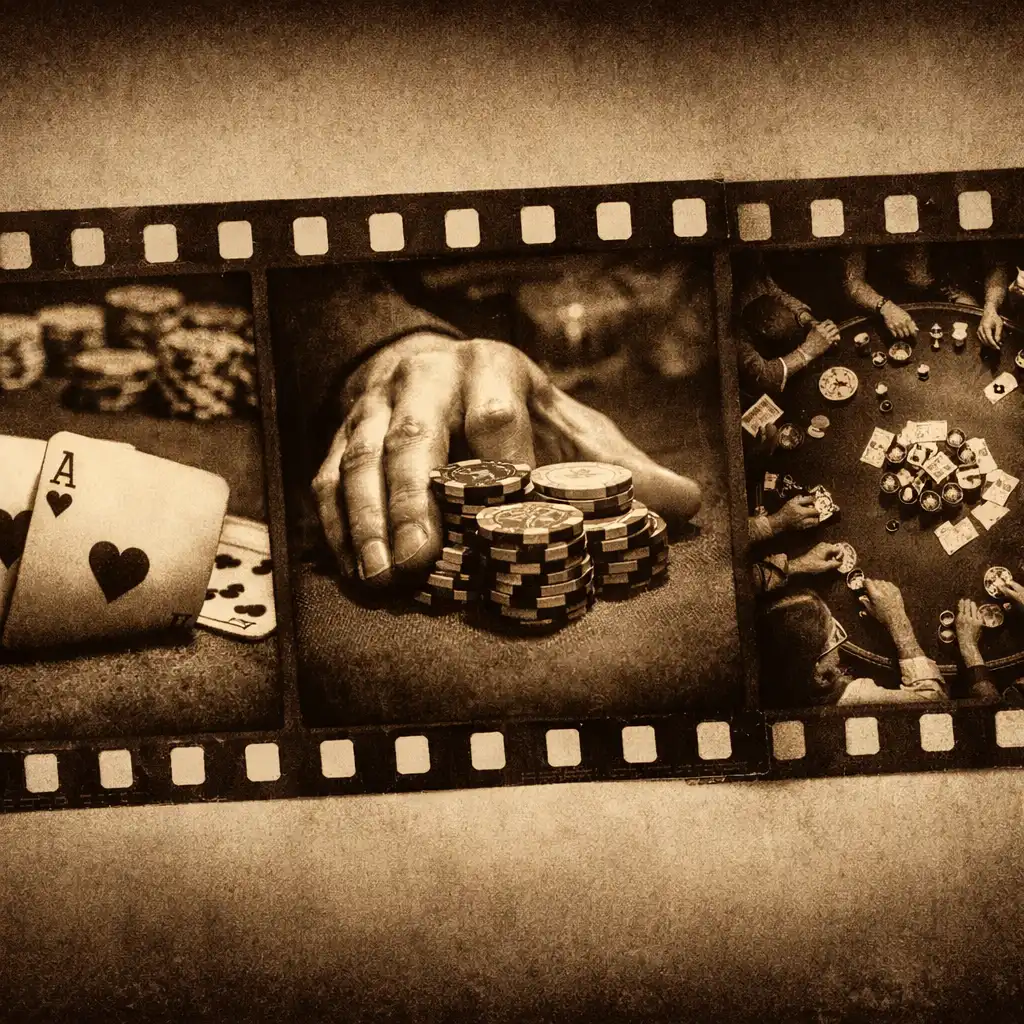
In silent films, poker often appeared as a background activity in saloons or social gatherings, signaling a setting of risk and camaraderie without delving into gameplay. Films like The Cheat (1915) used card games to establish character morality. Intertitles rarely explained poker rules; audiences were assumed to understand the game's social meaning. The card table served as a visual shorthand for tension and moral ambiguity. Silent films relied on visual storytelling, and poker required no spoken explanation to carry its weight.
Poker as Moral Barometer
Early filmmakers used poker to quickly establish a character's virtue or vice, often through their behavior at the table. Cheating at cards was a common plot device to mark a villain. A character's calm or agitation at the table conveyed their moral state. The game's outcome often mirrored the character's fate. This reading is retrospective interpretation, not a claim about directorial intention.
Classical Hollywood: Poker as Narrative Device
Poker as Plot Catalyst
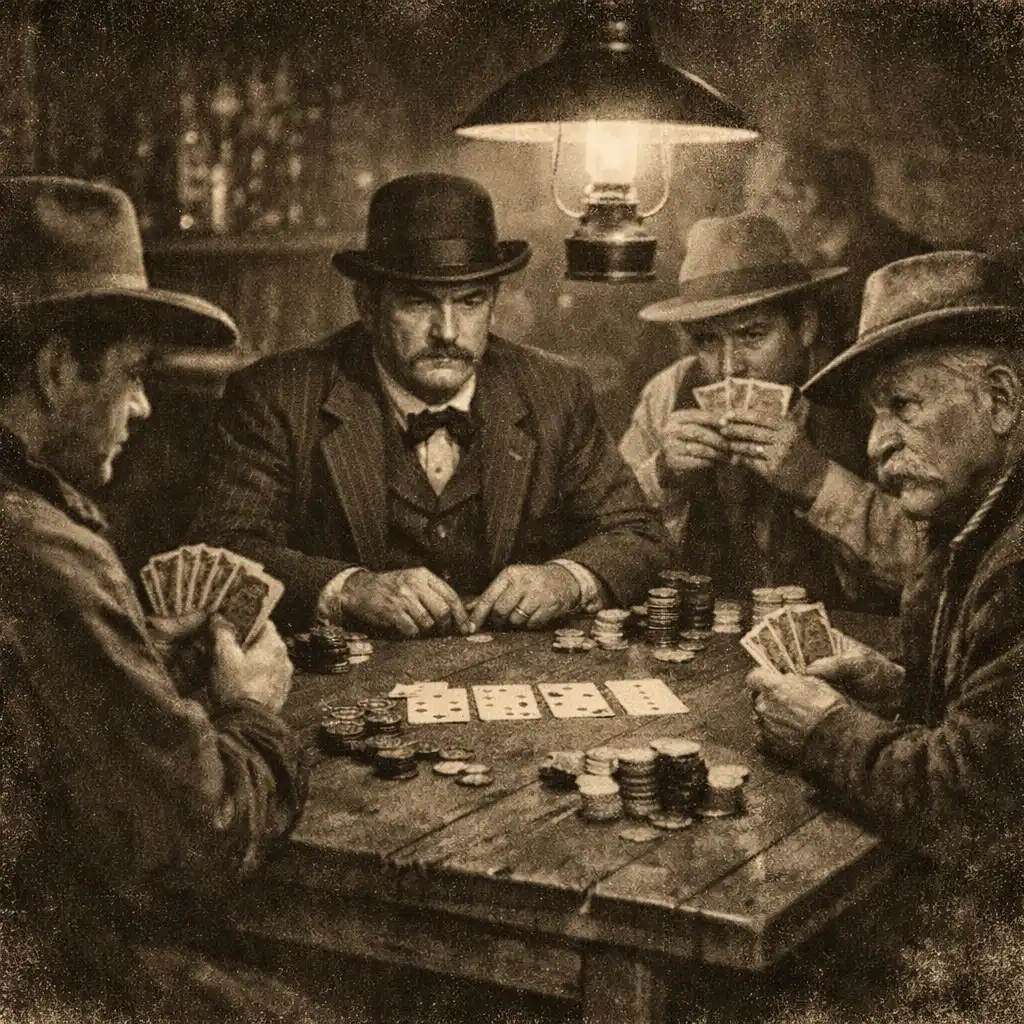
In classical Hollywood, poker games often served as pivotal scenes where fortunes changed, secrets were revealed, or characters were tested. Films like The Cincinnati Kid (1965) later epitomized this, but earlier examples exist. Poker scenes provided a contained dramatic arena for conflict. The game's outcome could reverse a character's trajectory. The influence of classical conventions is clear, even when the most famous example arrived slightly later.
The Card Table as Microcosm
Directors used the poker table as a microcosm of society, where class, ambition, and morality played out in miniature. The table's confined space intensified character interactions. Dialogue often carried subtext about larger social issues. Camera setups remained relatively static, relying on performance.
“Around the studio-era card table, the stakes were never only chips; they were standing, reputation, and the right to belong.”
— Interpretive reading of classical Hollywood poker scenes
New Hollywood: Close-Ups and Editing
The Close-Up as Psychological Probe
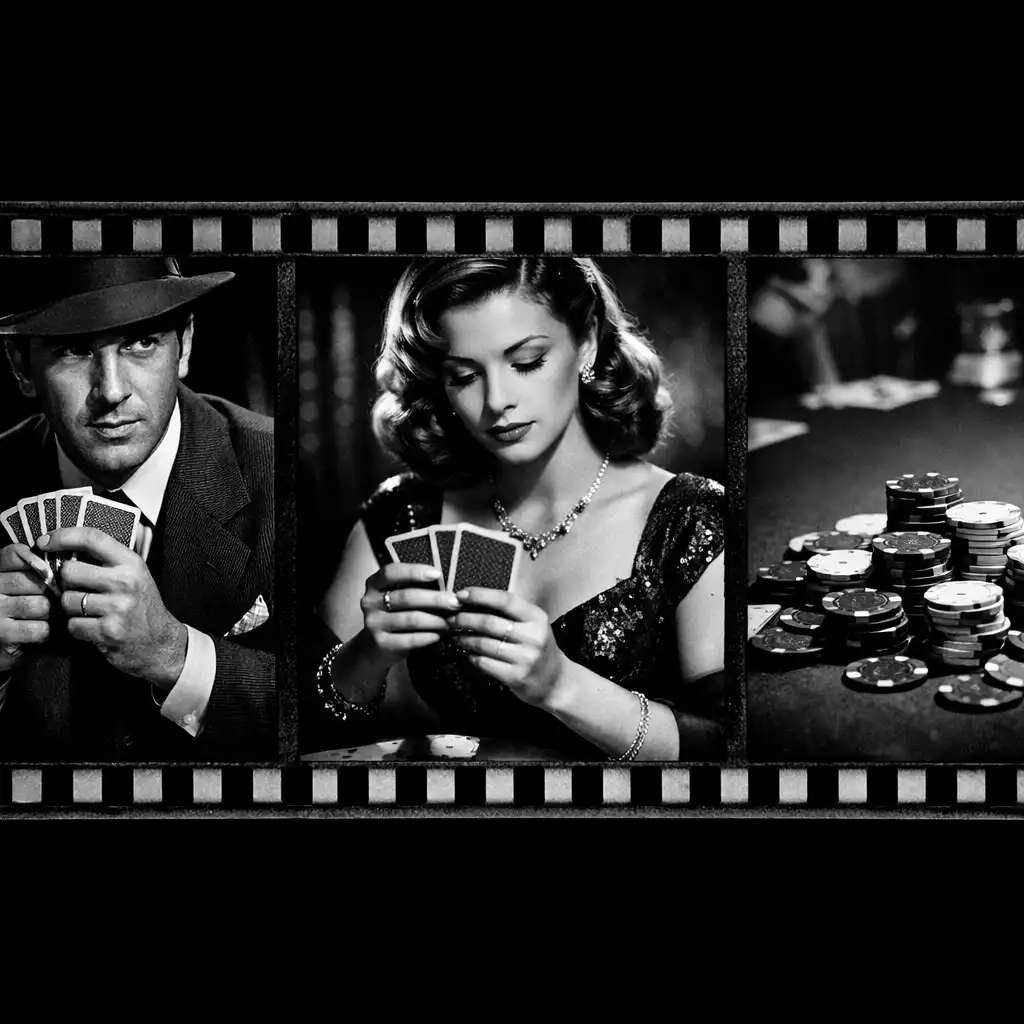
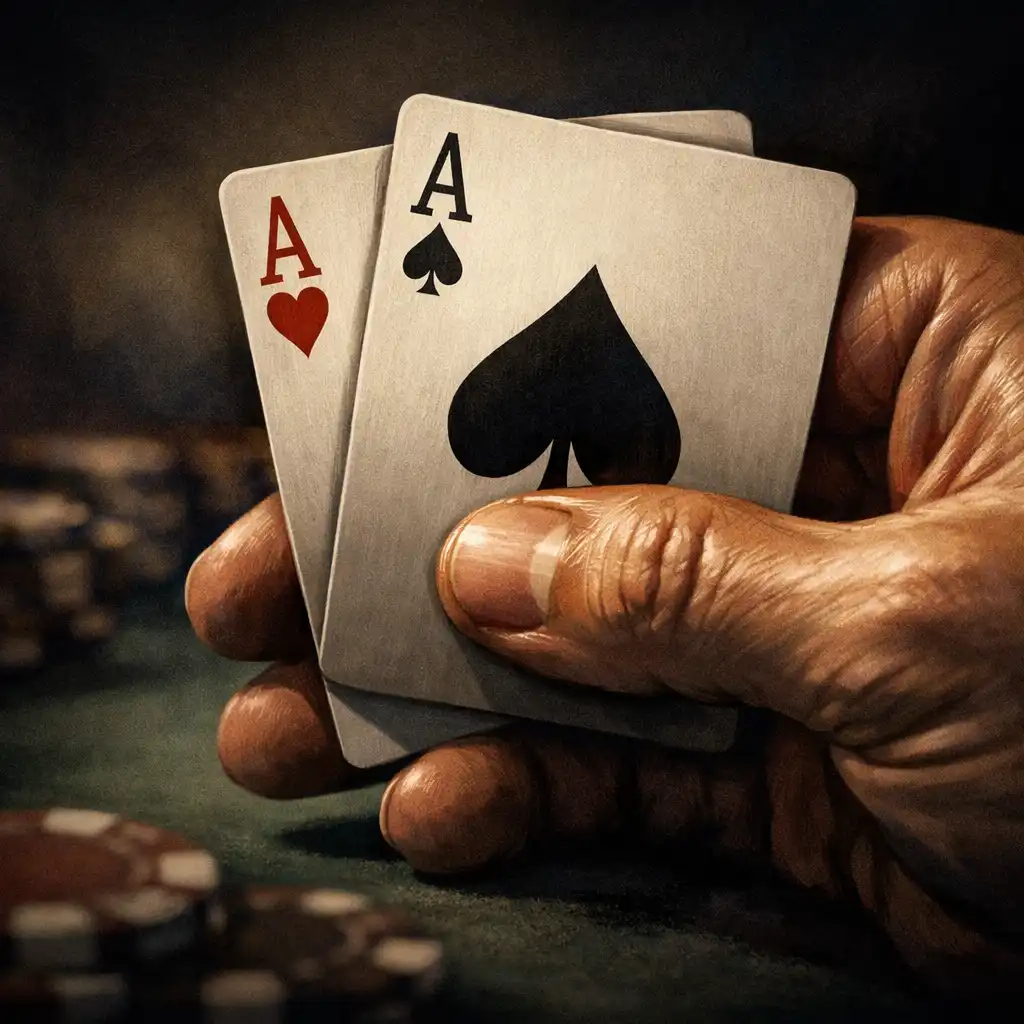
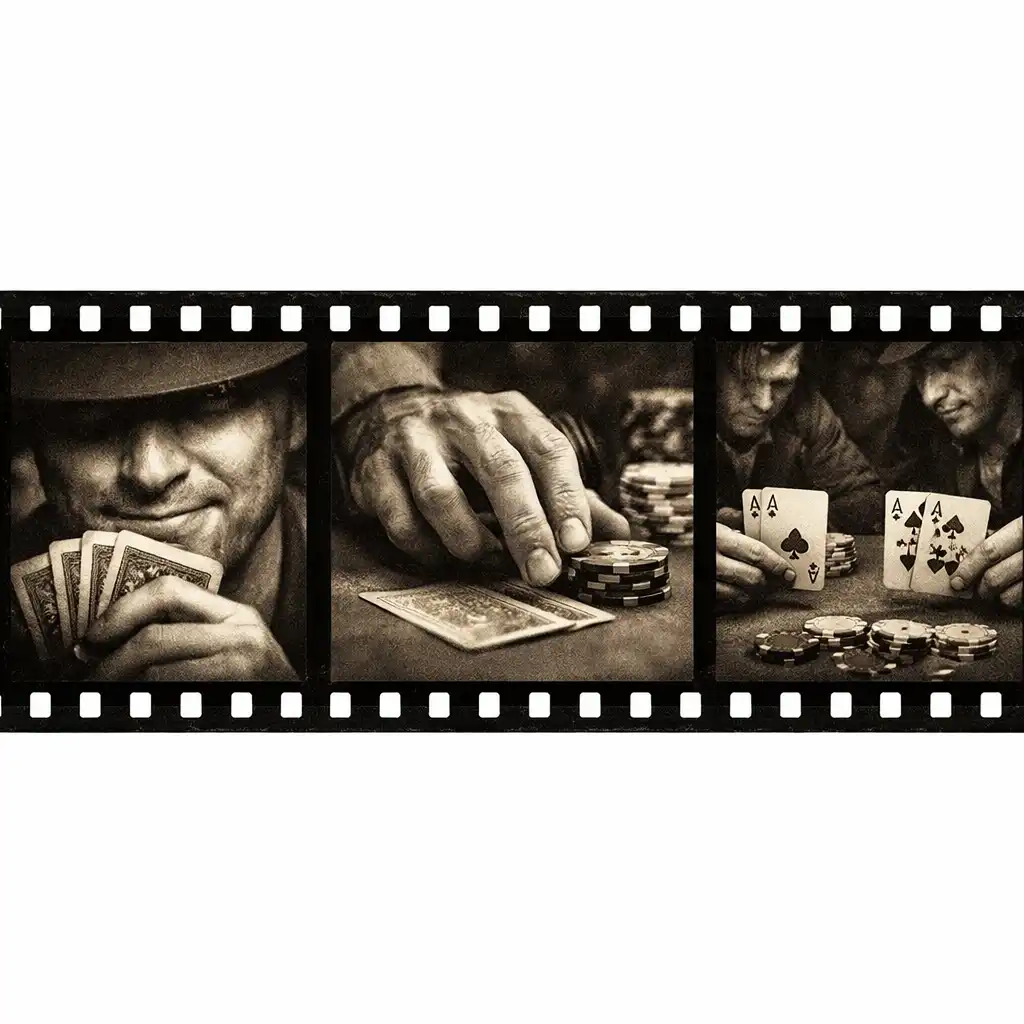
New Hollywood directors increasingly used close-ups of faces, hands, and cards to externalize internal tension during poker scenes. Close-ups on eyes and micro-expressions became a way to convey bluffing. Hands manipulating chips or cards added tactile tension. The camera could isolate a player from the table, emphasizing psychological isolation. These techniques are observed in films of the era; no specific director intentions are claimed.
Editing Rhythm and Table Dynamics
Rapid cutting between players, cards, and reactions created a rhythmic tension that mirrored the game's stakes. Shot-reverse-shot patterns became standard for dialogue at the table. Cutting on action, such as a card flip, heightened suspense. The editing pace could accelerate as the hand progressed. These are general observations of cinematic technique.
Rounders (1998): Poker as Character Journey
Poker as a Metaphor for Life
In Rounders, poker is not just a game but a lens through which the protagonist's choices, risks, and moral compromises are examined. The film uses poker terminology to frame character decisions. The card table becomes a site of personal reckoning. The narrative arc mirrors a poker hand: rising stakes, bluffs, and a final showdown. Rounders was released in 1998, and this reading is retrospective.
“In Rounders, every decision away from the table is played like a hand: read the opponent, weigh the odds, and decide how much you are willing to lose.”
— Interpretive illustration of the film's poker-as-life structure
Dialogue and Table Talk
The film's poker scenes rely heavily on dialogue to convey strategy and psychology, making the game accessible even to non-players. Characters explain their reasoning, which serves as exposition. Table banter reveals relationships and power dynamics. The dialogue often carries thematic weight beyond the game. No claim about the film's influence on poker culture is made.

Casino Royale (2006): Poker as High-Stakes Spectacle
The Tournament as Narrative Centerpiece
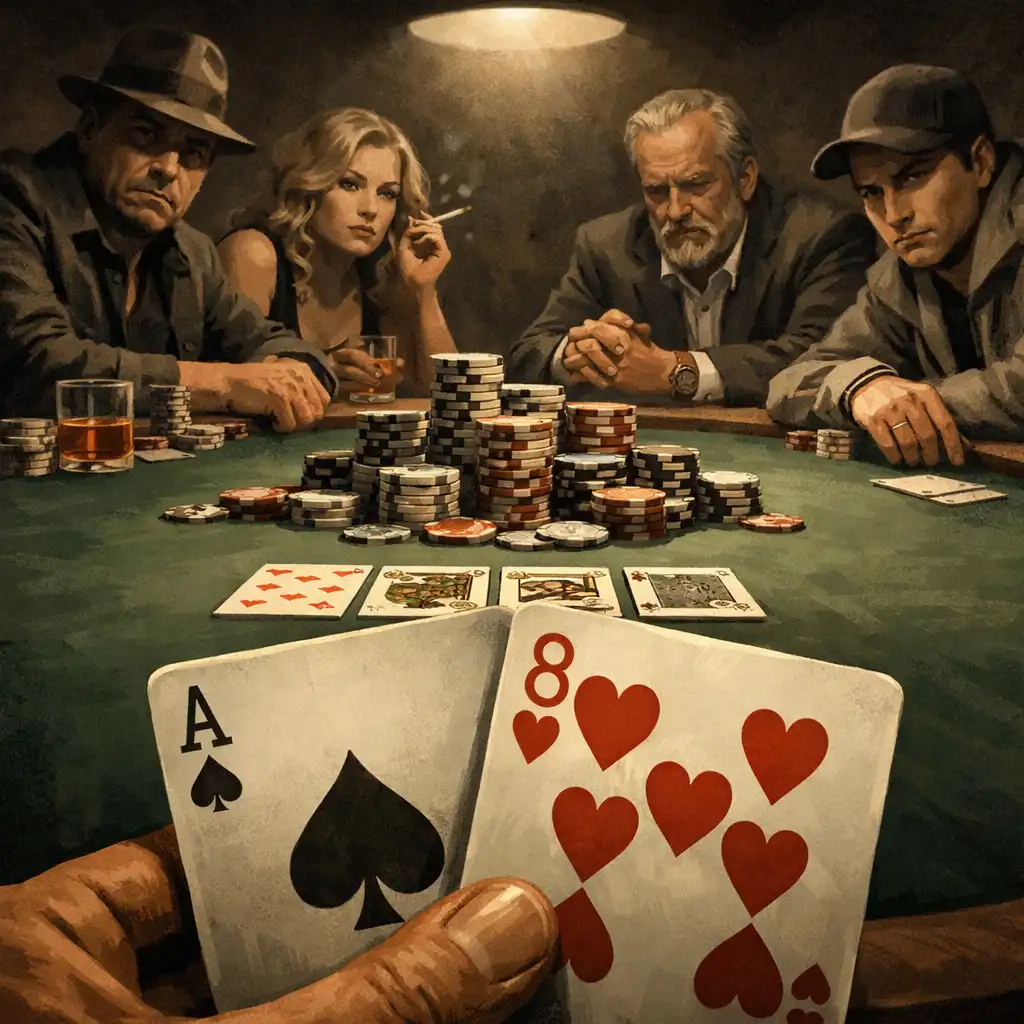
In Casino Royale, the poker tournament is a prolonged sequence that serves as the film's central conflict, replacing traditional action with psychological warfare. The scene is extended, allowing for detailed play-by-play. The stakes are explicitly tied to the plot's espionage goals. The table becomes a battlefield where Bond's skills are tested. Casino Royale was released in 2006, and the poker game is a key sequence in the film.
Close-Ups and Reaction Shots
The film uses extreme close-ups on cards, chips, and faces to build tension, often cutting between players' eyes to convey bluffing and tells. Close-ups on card reveals are timed for maximum impact. Reaction shots reveal character psychology. The editing rhythm accelerates during critical hands. These observations are based on the film's visual style.
Molly's Game (2017): Poker as Biographical Lens
Poker as a World of Power and Ambition
Molly's Game uses poker as a backdrop to explore ambition, power dynamics, and the allure of high-stakes environments. The film focuses on the social world around the poker table rather than the game itself. Poker becomes a metaphor for risk-taking in life and business. The narrative is framed as a true story, adding a layer of authenticity. Molly's Game is based on a true story and was released in 2017.
Narration and Perspective
The film uses voice-over narration to explain poker concepts and the protagonist's perspective, making the game accessible while maintaining dramatic tension. Narration provides exposition without slowing the plot. The protagonist's viewpoint shapes how poker is portrayed. The film balances technical detail with emotional stakes. This reading is retrospective.
Recurring Motifs: The Bluff, The Tell, The Showdown
The Bluff as Dramatic Irony
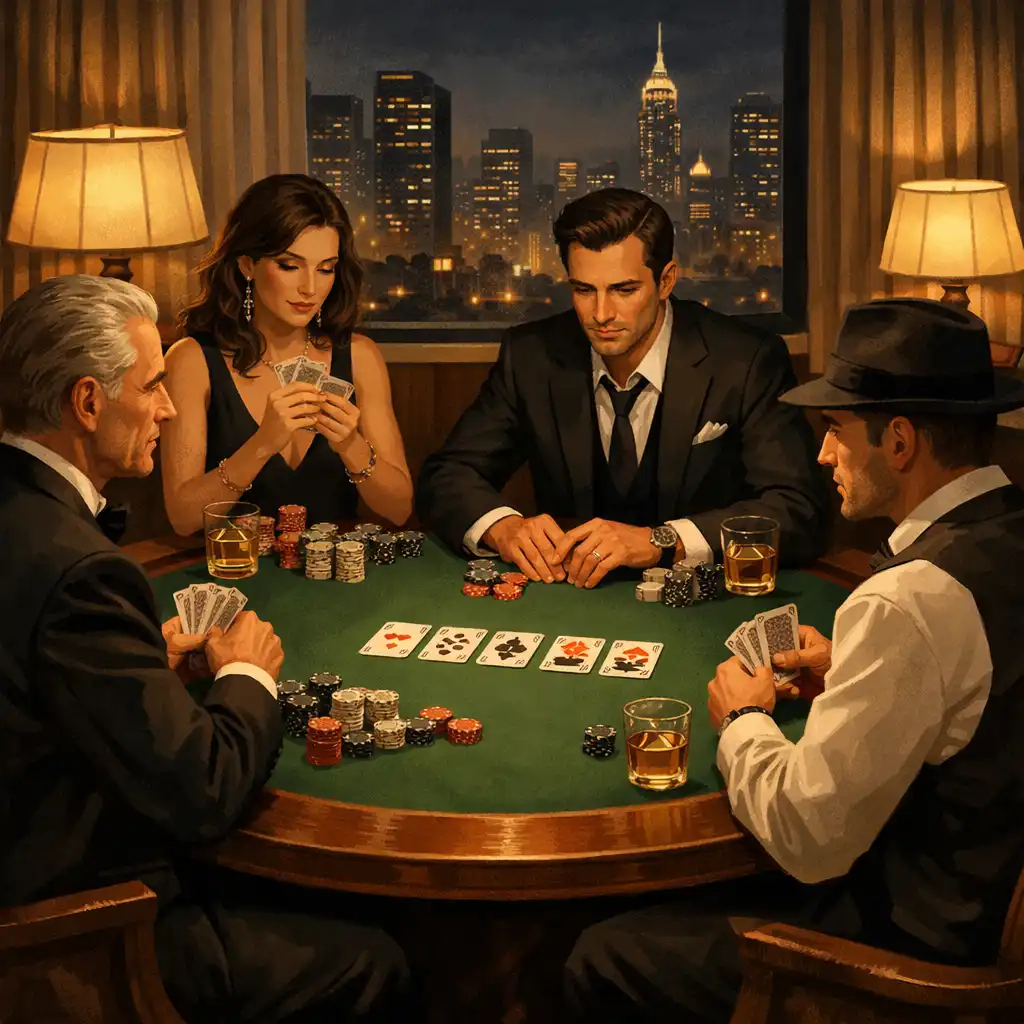
The bluff is a recurring motif where the audience knows a character is lying, creating dramatic irony and tension. Films often show the audience a character's hand to heighten suspense. The bluff can reveal character flaws or strengths. The motif plays with audience expectations and knowledge. This is a general observation across multiple films.
The Tell as Visual Clue
Films use physical tells—a twitch, a glance, a hesitation—to externalize internal states and provide visual information to the audience. Close-ups on hands or eyes often reveal tells. Tells can be used to misdirect the audience. The motif emphasizes the psychological dimension of poker. This reading is retrospective.
The Showdown as Climax
The final reveal of cards in a showdown often serves as the climax of a poker scene, providing resolution and catharsis. The showdown is often shot with dramatic reveals and reaction shots. The outcome can subvert expectations. The motif ties the game's tension to narrative resolution.
Cultural Shifts: From Vice to Mainstream
Early Portrayals: Poker as Vice
In early and classical Hollywood, poker was often associated with gambling dens, moral decay, and criminality. Poker games were frequently set in smoky backrooms or saloons. Characters who played poker were often morally ambiguous. The game was a shorthand for a character's downfall. This is a general historical observation.
Modern Portrayals: Poker as Skill and Sport
Contemporary films often portray poker as a game of skill, intellect, and legitimate competition, reflecting the poker boom and televised tournaments. Films like Rounders and Molly's Game emphasize strategy and psychology. Poker is shown in upscale settings, not just backrooms. The cultural shift mirrors real-world changes in poker's popularity. The poker boom is a documented cultural phenomenon, but no specific dates are claimed.

Poker and the Casino Heist Film
Poker as Cover or Catalyst
In heist films, poker games often serve as a cover for criminal activity or as a catalyst that sets the plot in motion. A poker game can provide a plausible reason for characters to be in a casino. The game's tension can mirror the heist's stakes. Poker can be used to establish character skills relevant to the heist. This is a general observation across films like Ocean's Eleven (2001).
The Table as Distraction
Poker scenes can distract both characters and audience from the real heist, creating narrative misdirection. The audience's attention is focused on the game while the heist unfolds elsewhere. Poker can be used to build character relationships that later aid the heist. The game's outcome may have unexpected consequences for the plot. This reading is retrospective.
The Future of Poker on Screen
Technological and Narrative Innovations
As filmmaking technology advances, poker scenes may incorporate new visual techniques, such as virtual reality or interactive storytelling, to heighten immersion. Digital effects could allow for more dynamic card reveals or table perspectives. Interactive narratives might let audiences participate in poker decisions. The motif may evolve to reflect changing cultural attitudes toward gambling. This is speculative and clearly labeled as such.
Poker as Enduring Metaphor
Regardless of technological changes, poker's core appeal as a metaphor for risk, deception, and human psychology is likely to endure. The game's inherent drama provides rich material for storytelling. Poker's rules are simple enough to be understood by audiences. The motif's flexibility allows it to adapt to different genres and eras. This reading is retrospective.
Further Exploration
Continue the Journey
Related Eras and Themes
Poker's screen portrayal connects to broader themes such as casino heists, gambling environments, and the evolution of Las Vegas on film. Explore the Eras section for chronological context. The Themes section covers recurring motifs like risk and deception. The Films section offers a curated list of relevant titles.
An Evergreen Archive
Cinema Legacy is an evergreen archive; new retrospectives may be added, but the historical organization remains primary. No breaking news or trending content. The archive is designed for leisurely exploration.