
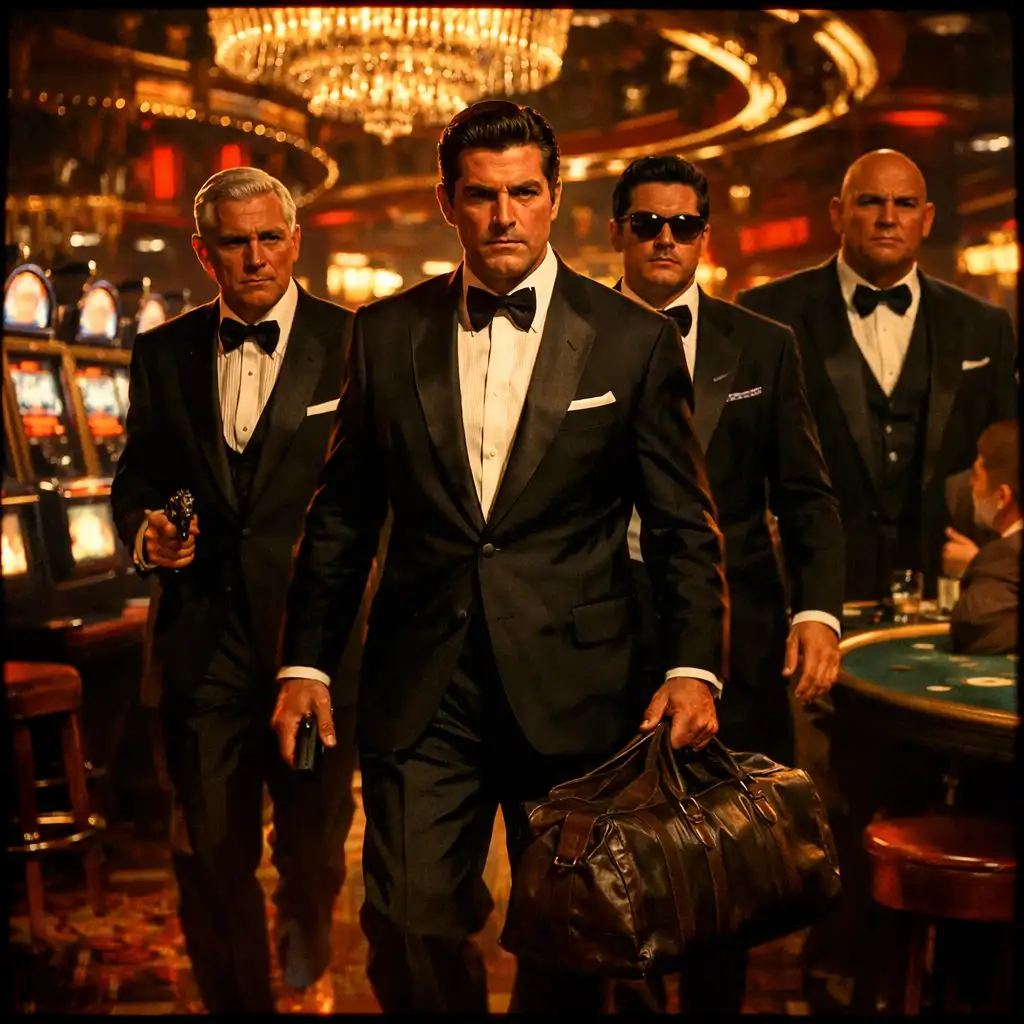
1960
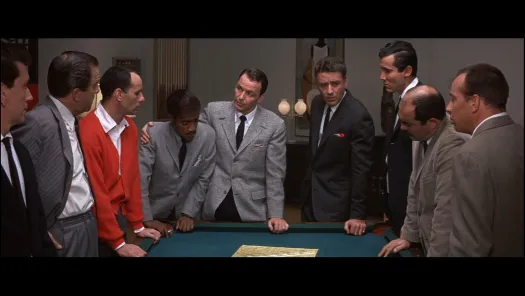
Ocean's 11 established the Rat Pack-era casino heist, with neon, tuxedos, and the allure of Las Vegas.
Cinema Legacy traces how casinos, poker rooms, and gambling environments have been portrayed on screen from the 1960s to the present, organised by era and cultural shift. It is a retrospective publication, not a database or review magazine; chronology is the primary lens, and each era is introduced by its defining films and visual motifs.
Ocean's 11 established the Rat Pack-era casino heist, with neon, tuxedos, and the allure of Las Vegas.
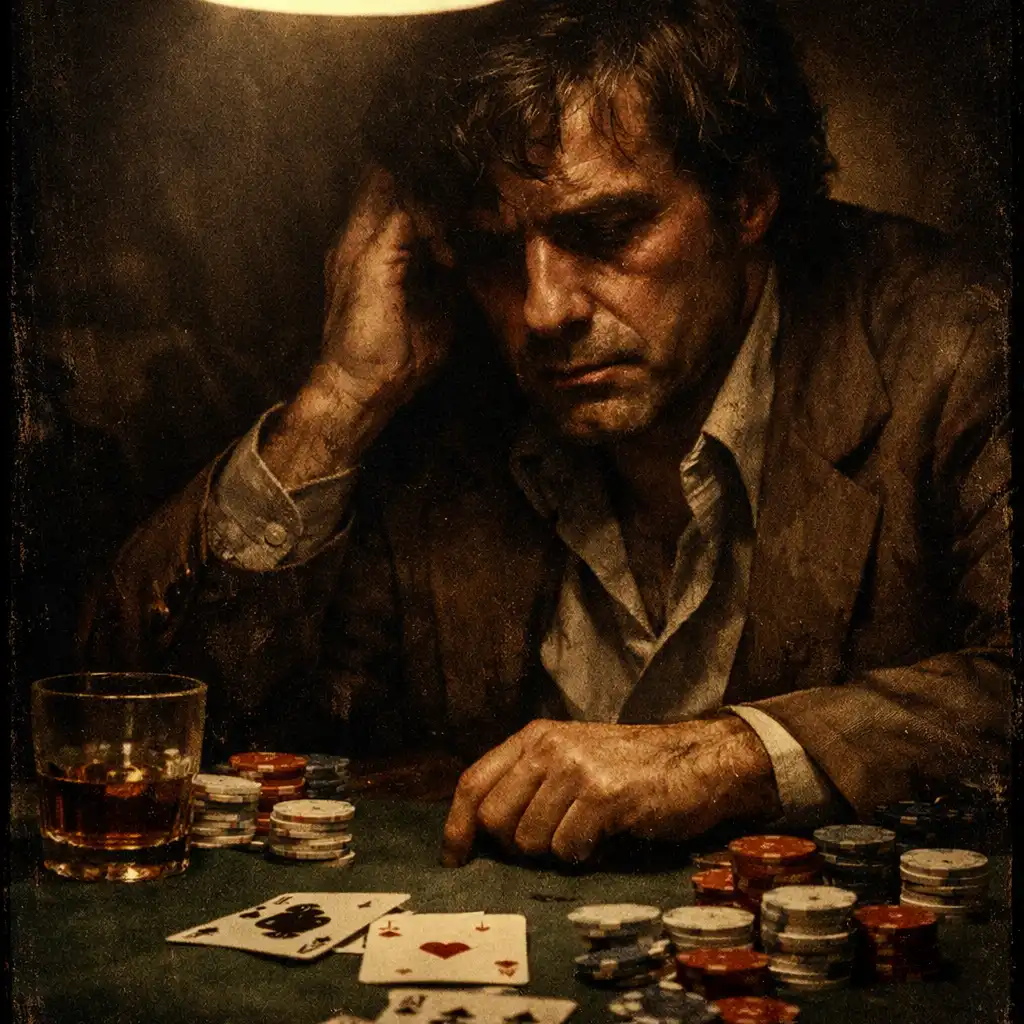
The Gambler turned inward, depicting the casino as a space of moral decay and personal ruin.
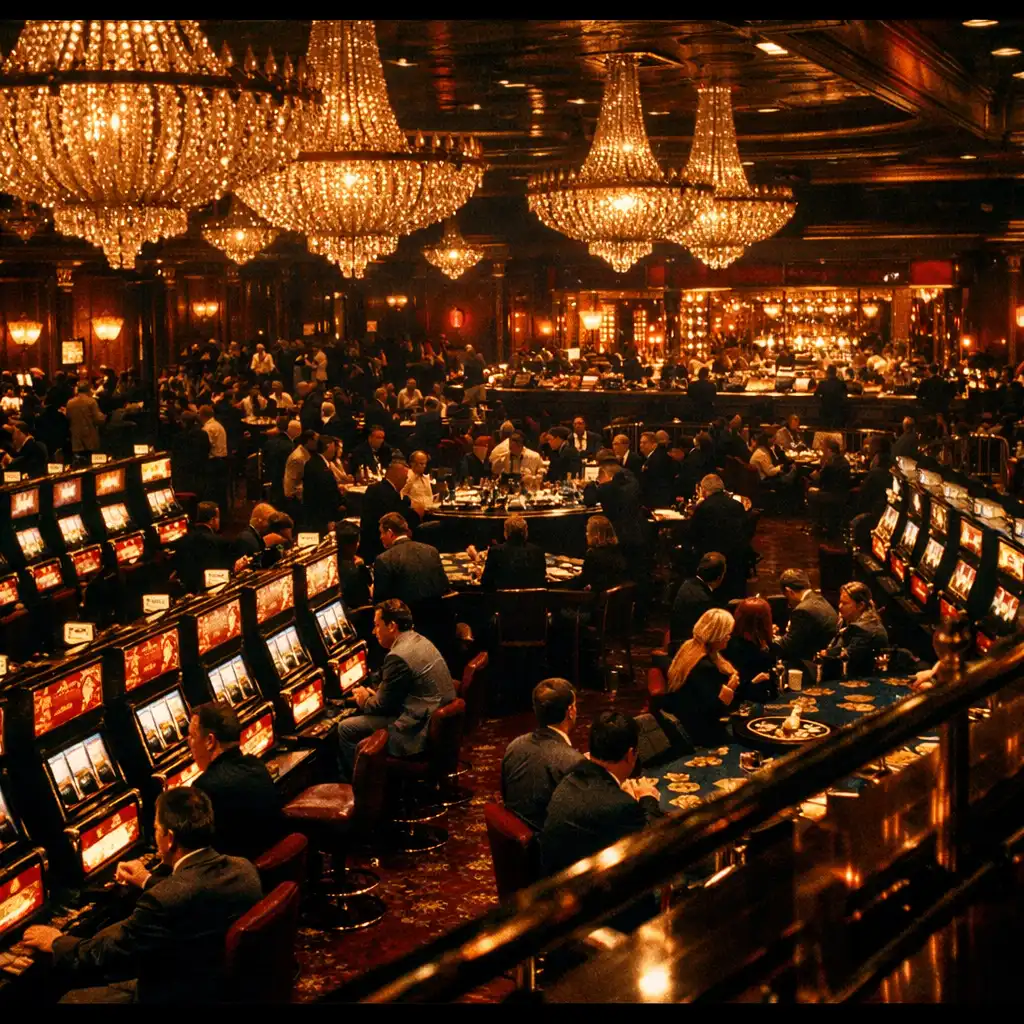
Scorsese's Casino blended epic scope with period detail, exploring organised crime and legitimate business.

Casino Royale made high-stakes poker a central set piece, combining action with intellectual gamesmanship.
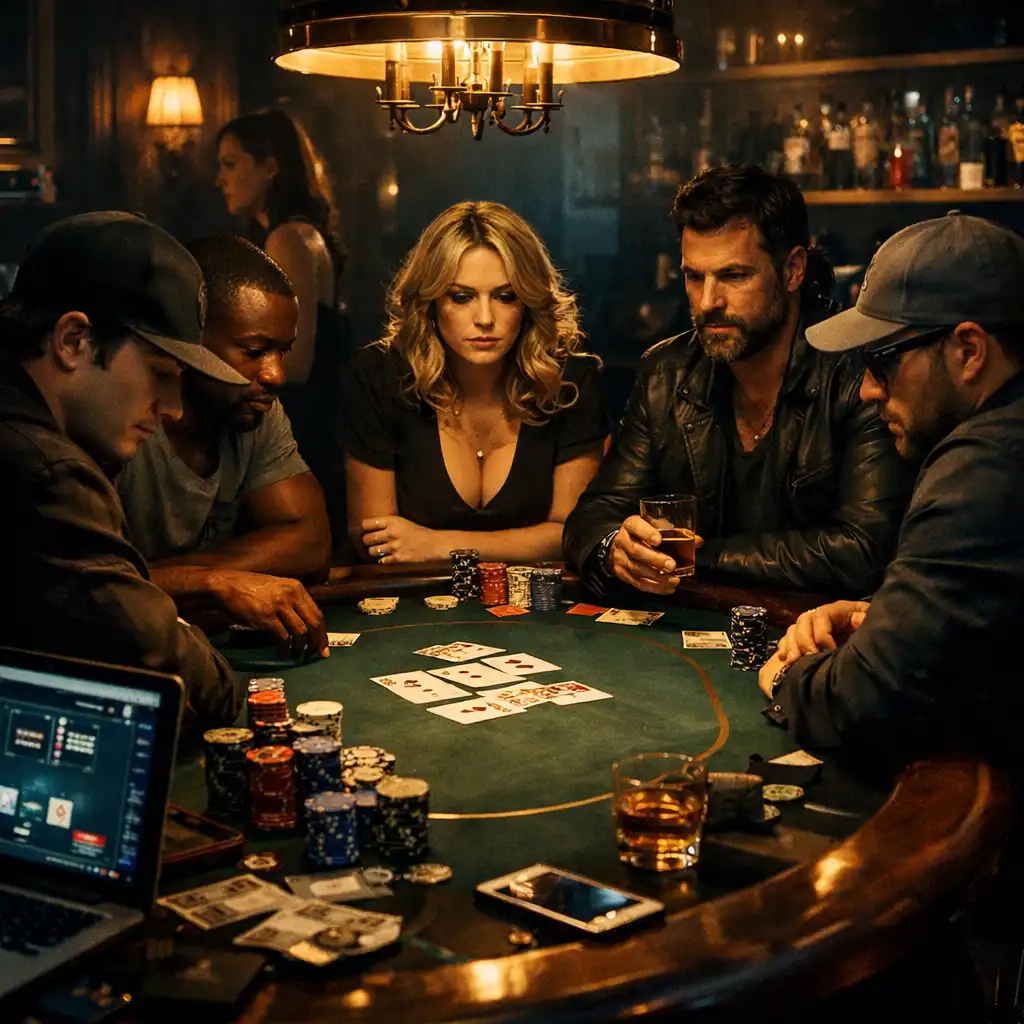
Molly's Game brought real-life stories and complex protagonists, blurring legality and morality.
The history of casino and poker films can be divided into distinct eras, each with its own visual style, thematic concerns, and cultural context.
The 1960s established the casino as a space of glamour and danger, often tied to organised crime. The 1970s shifted toward psychological realism, exploring addiction and moral decay. The 1980s brought a neon-drenched, often cynical view of gambling culture.
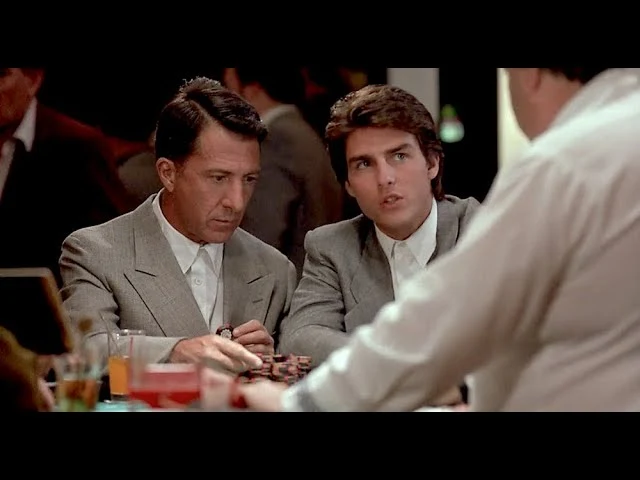
Ocean's 11 (1960) set the template for the ensemble heist film, with its Rat Pack charm and Las Vegas setting. The Gambler (1974) and California Split (1974) delved into the compulsive side of gambling. The 1980s saw films like The Color of Money (1986) and Rain Man (1988) use card games and casinos as backdrops for character drama.
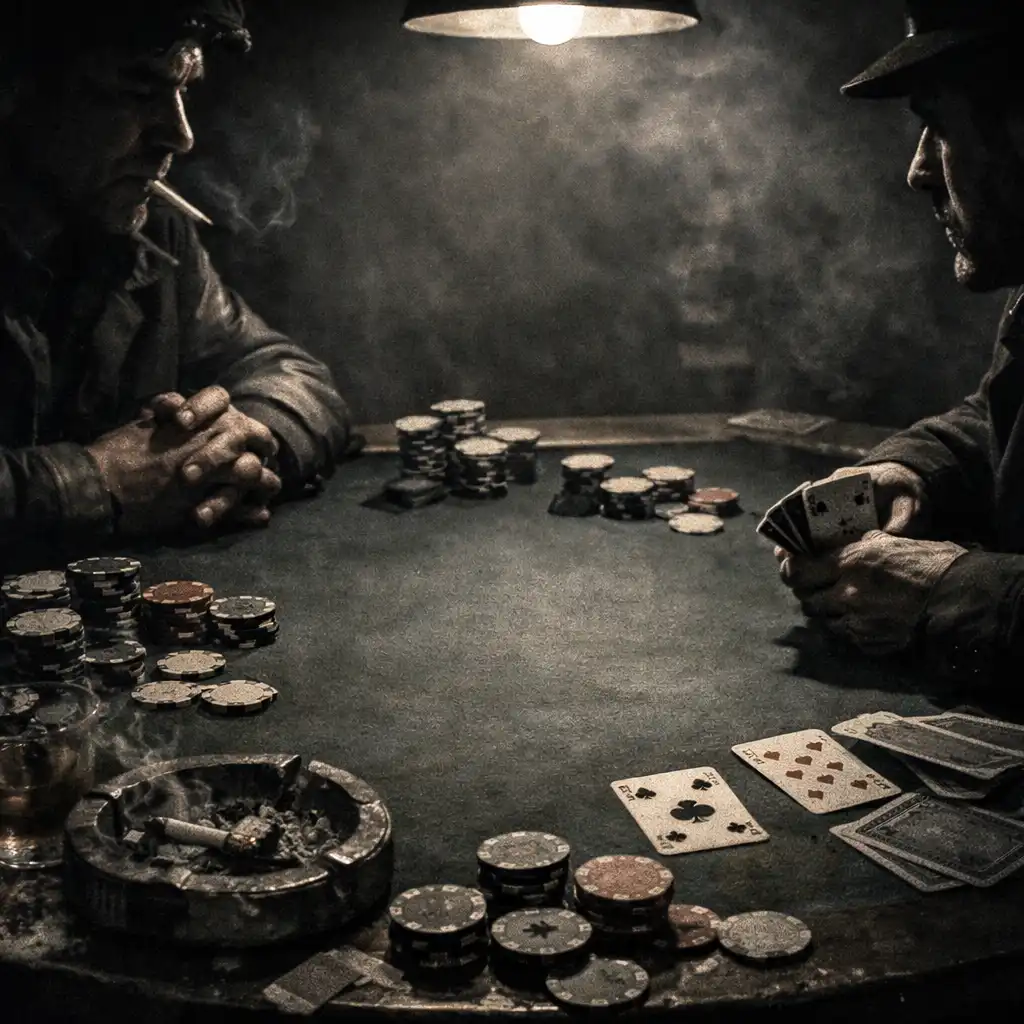
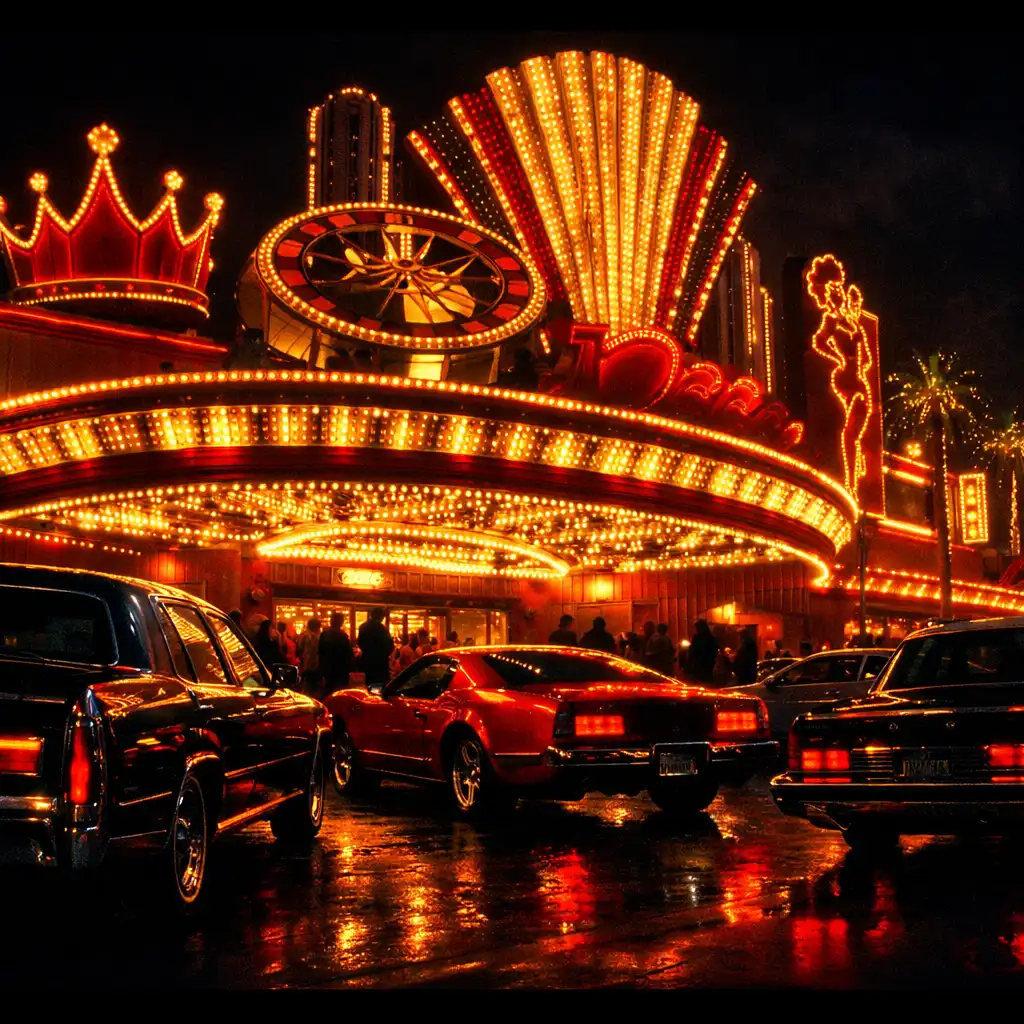
The early decades established recurring visual motifs: the neon sign, the green felt table, the close-up of cards, and the tuxedoed high roller. These motifs would be revisited and subverted in later decades, and the era's films often used the casino as a metaphor for American capitalism and its excesses.
 1995
The 1990s saw a return to the large-scale casino drama, with films that combined meticulous period detail with a tragic view of the American dream. Casino (1995) is often read as a culmination of Scorsese's crime sagas, portraying Las Vegas as both a paradise and a prison. The decade also saw a rise in poker-themed films, such as Rounders (1998), which anticipated the poker boom of the 2000s.
The 1990s also reflected broader cultural anxieties about corporate power and the erosion of traditional values, themes that found expression in the casino film's focus on corruption and greed. The era's films often depicted the casino as a microcosm of American society.

Remade the 1960 classic with a modern ensemble cast and a more polished aesthetic.
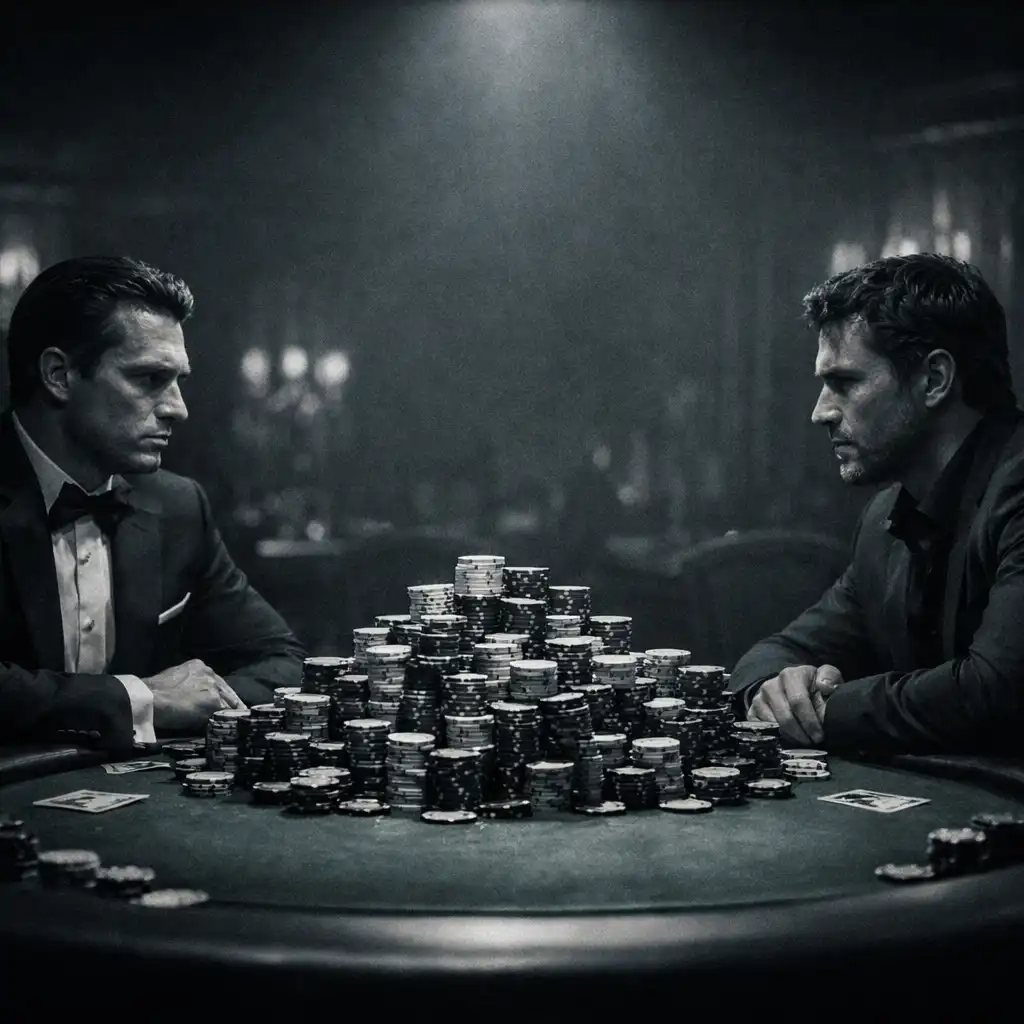
Elevated poker to a high-stakes dramatic set piece within the Bond franchise.

Dramatised the MIT blackjack team's card-counting exploits and their consequences.
The 2000s also saw a rise in films that treated poker not just as a backdrop but as a central narrative engine, reflecting the game's mainstream popularity. Rounders (1998) had already laid the groundwork, but the 2000s expanded the poker film into a subgenre of its own, often focusing on the psychology of the game and the tension between skill and luck.
Poker has long been a favourite device in cinema, not only for its inherent tension but also for its ability to reveal character through bluffing, risk-taking, and the reading of opponents. Early films often used poker as a quick way to establish a character's morality or recklessness. The poker boom of the 2000s brought a new level of technical detail and psychological depth to poker scenes. Films like Rounders (1998) and Molly's Game (2017) treat poker as a serious subject worthy of extended dramatic treatment.
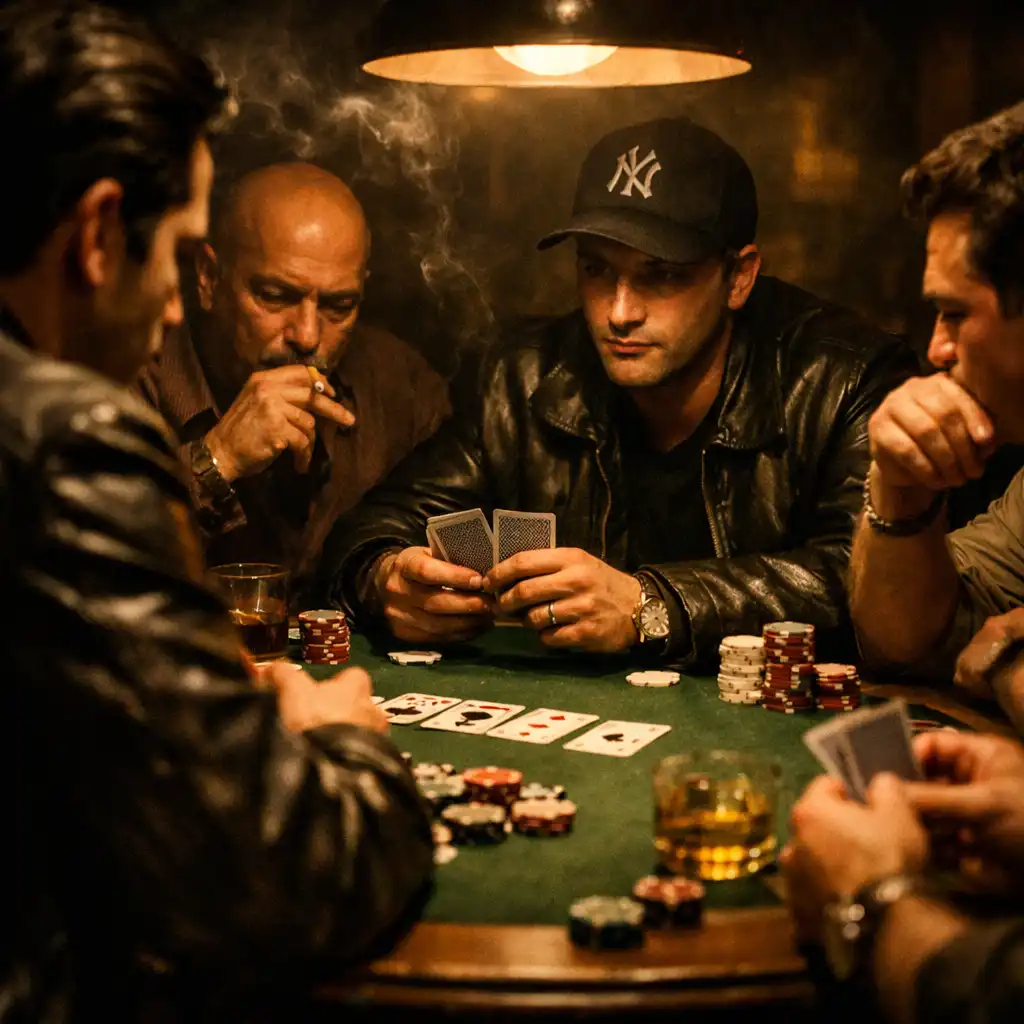
Las Vegas has often functioned as more than a setting in casino films; it is a character in its own right, embodying both the promise of easy wealth and the threat of moral ruin. The Rat Pack films of the 1960s presented Las Vegas as a playground of glamour and excess. The 1970s and 1980s brought a more cynical view, with films like Casino (1995) depicting the city as a corrupting force. More recent films have used Las Vegas as a backdrop for stories about reinvention and desperation.
The visual language of Las Vegas on screen is defined by neon signs, sprawling casino floors, and the contrast between the Strip's brightness and the surrounding desert.
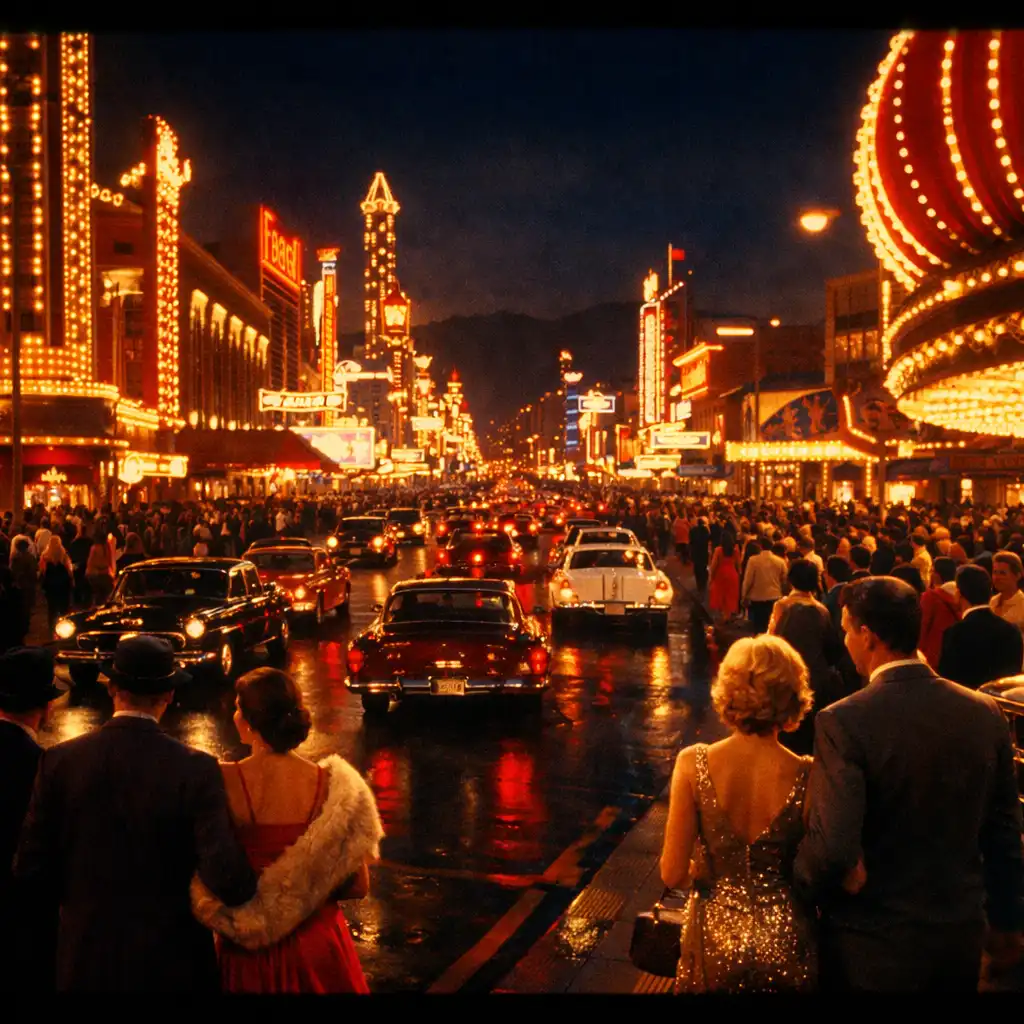
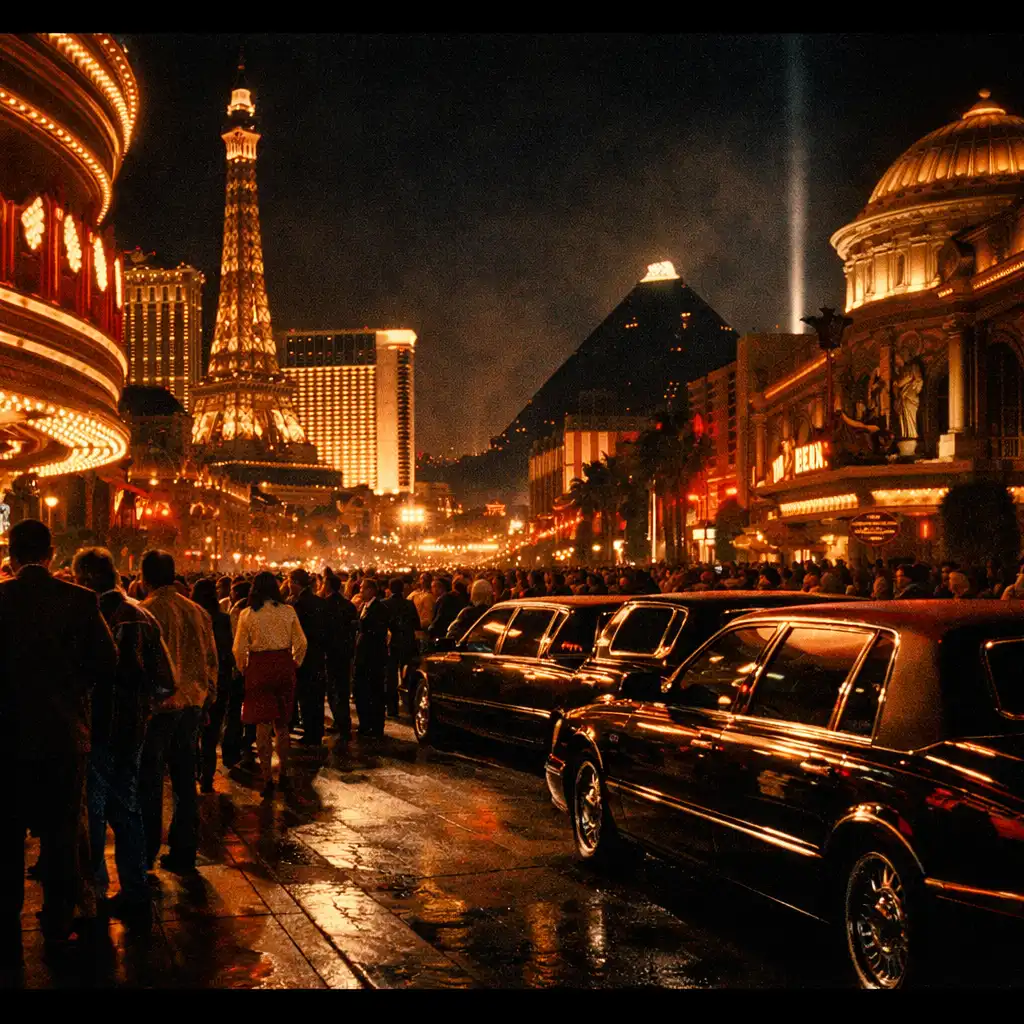
These visual signatures have been revisited and subverted across decades. The city's representation often mirrors broader cultural attitudes toward gambling and consumerism, making Las Vegas a recurring motif in Cinema Legacy's thematic archive.
A figure of glamour and risk, often portrayed as both admirable and doomed. This archetype has evolved from the suave Rat Pack gambler to the more complex, psychologically driven protagonists of recent films. Examples: Danny Ocean in Ocean's 11 (1960), Sam 'Ace' Rothstein in Casino (1995).
Uses charm and deception to win, often operating on the margins of the casino world. This archetype has been a staple of heist films and con-artist stories. Examples: characters in The Sting (1973) and Rounders (1998).
Represents the dark side of gambling, often serving as a cautionary figure. This archetype became more prominent in the 1970s and has remained a powerful dramatic device. Examples: Axel Freed in The Gambler (1974), Beth Raymer in Lay the Favorite (2012).
A master of technique and psychology, often portrayed as an outsider who uses skill to beat the system. This archetype has been central to poker films. Examples: The Cincinnati Kid (1965), Mike McDermott in Rounders (1998).
The evolution of casino and poker films mirrors changing cultural attitudes toward risk, luck, and morality. Early films celebrated the glamour of the casino, while later films increasingly explored its darker psychological and social dimensions. The 1960s presented the casino as a space of sophisticated rebellion. The 1970s turned inward, focusing on addiction and moral decay. The 1990s and 2000s combined spectacle with a more critical view of capitalism and greed. Recent films have diversified the genre, incorporating real-life stories and diverse perspectives.
Within this retrospective, the shift from glamour to anxiety is not a simple decline but a deepening of the genre's moral imagination. The high roller of the 1960s was a figure of aspirational excess; by the 1970s, the same figure had become a study in compulsion and self-destruction. The 1990s restored the epic scale but replaced the earlier optimism with a tragic awareness of institutional corruption. The 2000s and 2010s then fragmented the genre into multiple registers: the playful heist, the clinical poker drama, and the documentary-inflected real-life story.
The casino on screen has always been a mirror for the culture that produced it, reflecting changing ideas about luck, skill, and the price of desire.
This retrospective therefore reads the history of casino and poker films not as a series of isolated entertainments but as a continuous conversation about risk and reward. Each era revisits the same visual motifs—the neon sign, the green felt, the close-up of cards—but inflects them with new anxieties and new hopes. By tracing these changes, Cinema Legacy aims to show how the screen has shaped our understanding of gambling, and how gambling has shaped the screen.
Cinema Legacy offers a comprehensive, era-by-era exploration of casino and poker films, along with thematic essays on recurring motifs and cultural shifts.