
The Casino Operator
The figure who controls the room, balancing legitimate enterprise with the temptations of power and hidden corruption.
Cinema Legacy defines an icon not as a single star but as a recurring character type that appears across decades, shaped by cultural attitudes toward gambling and risk. These archetypes include the casino operator, professional player, reluctant gambler, hustler, dealer, criminal, spy, and heist crew. They recur because they embody tensions between control and chance, order and chaos. This page traces how each archetype shifts from the Silent Era to the Contemporary period.
The figure who controls the room, balancing legitimate enterprise with the temptations of power and hidden corruption.
A disciplined strategist who treats gambling as a skill, often isolated by the very control that defines them.
An ordinary person drawn into risk against their better judgment, serving as the audience's moral compass.
A charismatic figure who uses skill and deception to win, but whose success often comes at a deep personal cost.
A silent observer of the casino's drama, occasionally brought to the foreground as a character with their own story.
The dark side of the gambling world, from organised crime figures to lone wolves with their own codes.
A figure who uses the casino as a battleground for espionage, blending high-stakes play with international intrigue.
A team of diverse skills and personalities brought together for a high-stakes plan, creating tension and camaraderie.
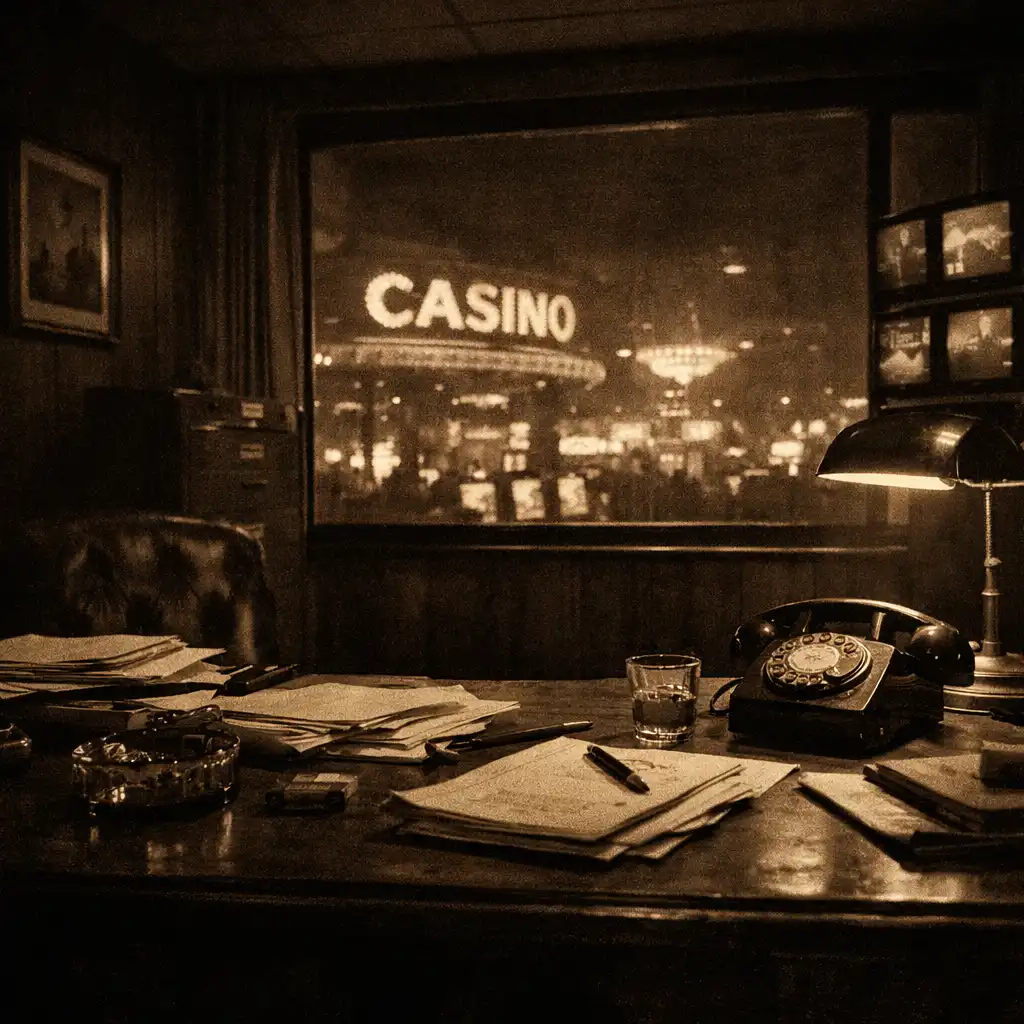
In Classical Hollywood, the casino operator often appeared as a background authority figure, but by New Hollywood, the character became a central study in power and corruption. Early films often depicted operators as stern but fair managers, reflecting a more neutral view of gambling. New Hollywood films like The Godfather (1972) linked casino operations to organised crime, darkening the archetype. Contemporary films explore operators as corporate executives or family business owners, adding layers of moral ambiguity.
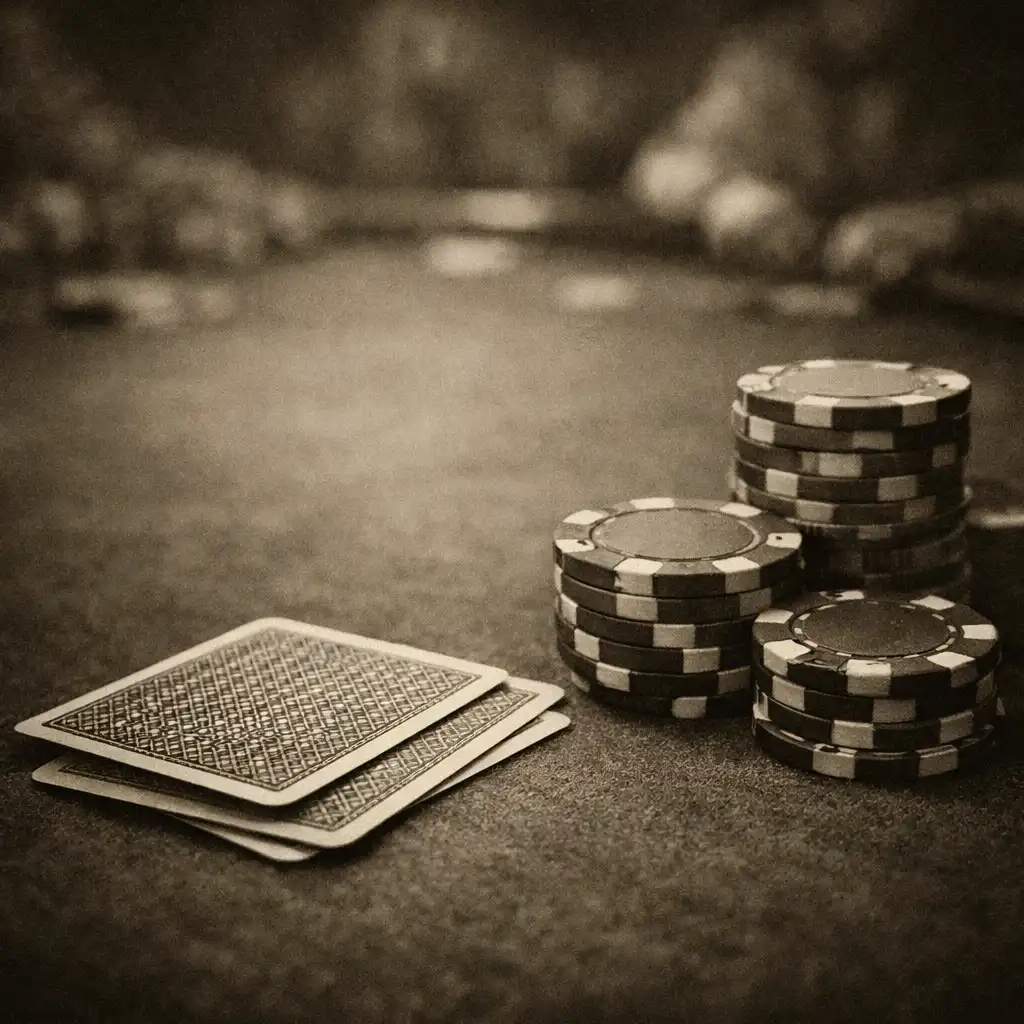
The professional player is often portrayed as a disciplined strategist who treats gambling as a skill, not a game of chance. Classical Hollywood films like The Cincinnati Kid (1965) depict the professional as a master of psychology and technique. The archetype often contrasts with the impulsive gambler, highlighting control versus emotion. Contemporary films explore the professional's isolation and the cost of obsession.
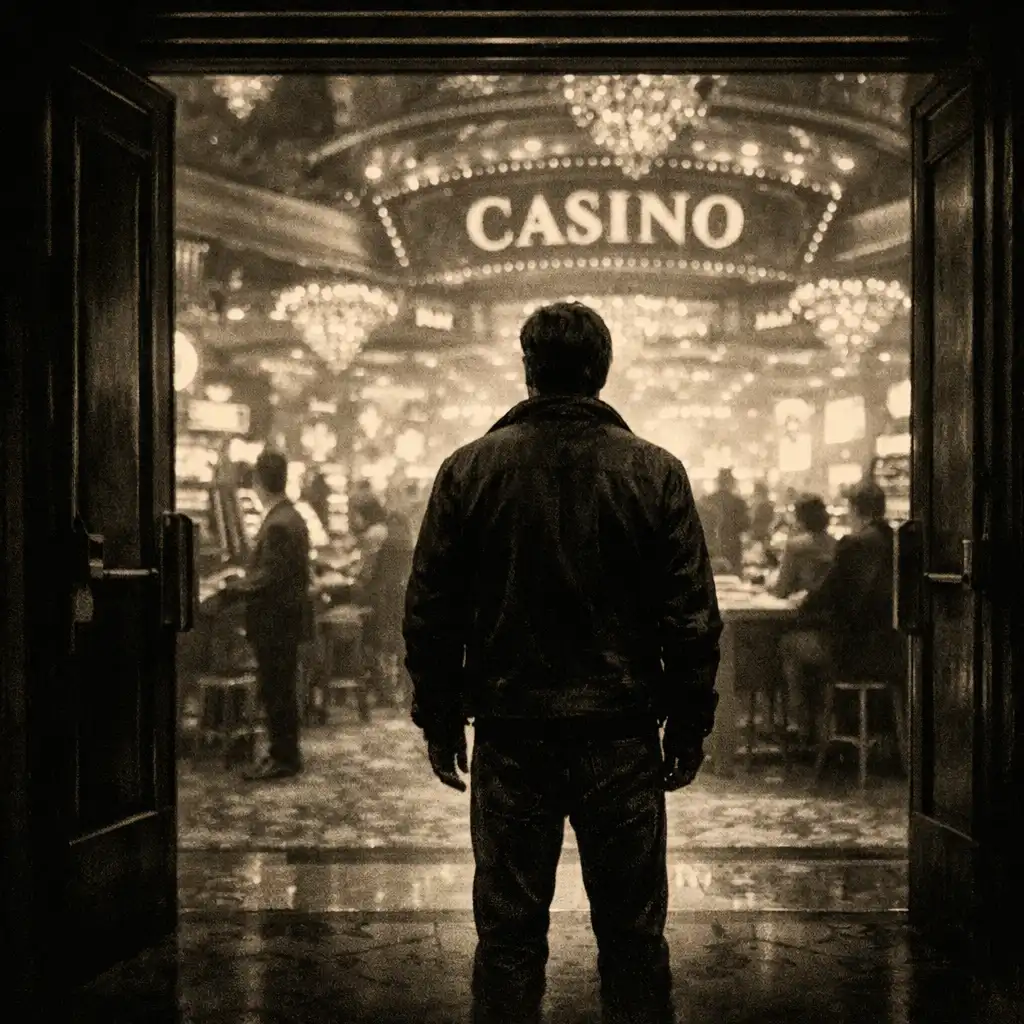
The reluctant gambler is often an ordinary person drawn into gambling against their better judgment, serving as a moral compass for the audience. Classical Hollywood films often used the reluctant gambler to warn against the dangers of addiction. New Hollywood films like California Split (1974) show the reluctant gambler's descent into compulsion. Contemporary films explore the reluctant gambler's struggle with family and identity.
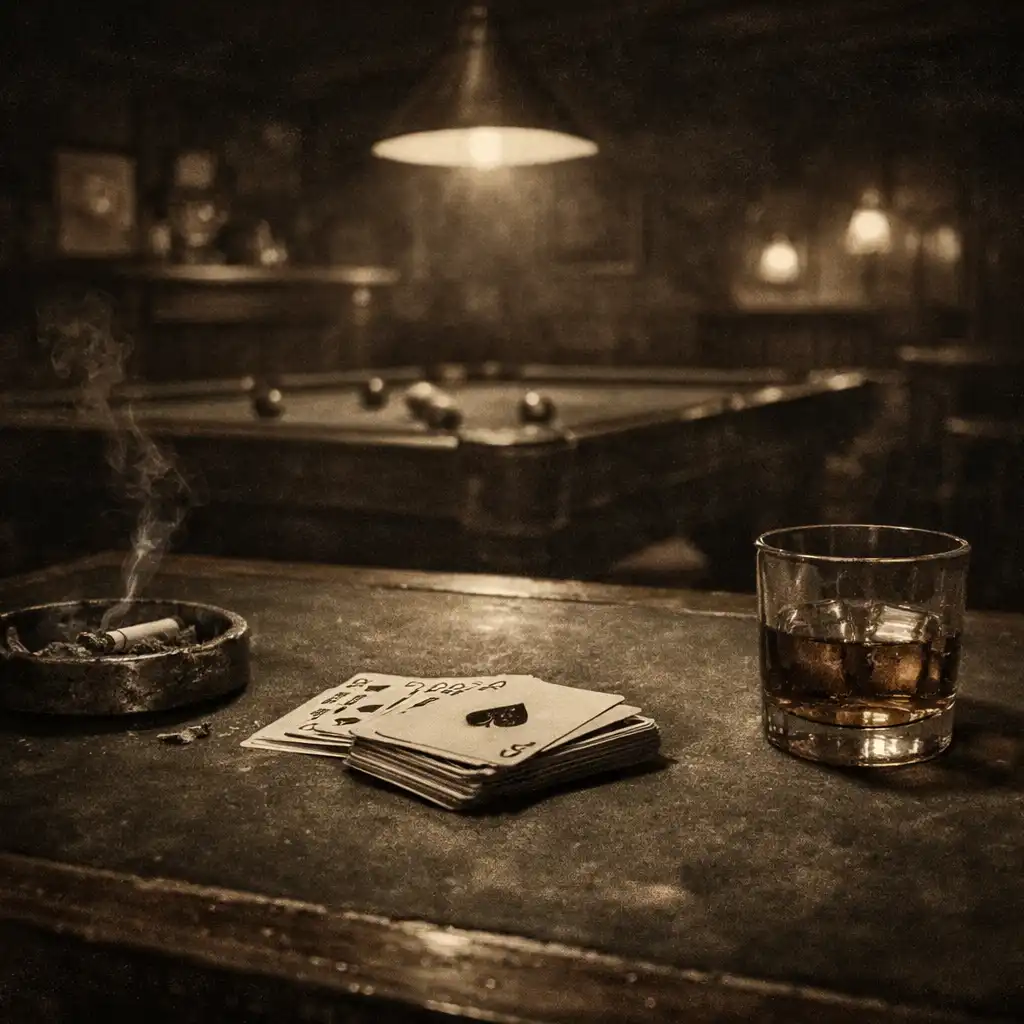
The hustler is often portrayed as a charismatic figure who uses skill and deception to win, but whose success comes at a personal cost. Classical Hollywood films like The Hustler (1961) established the archetype as a tragic hero. New Hollywood films added layers of cynicism and moral ambiguity. Contemporary films explore the hustler's vulnerability and need for validation.
The dealer is often a background figure who witnesses the drama of the casino, but some films bring the dealer to the foreground as a character with their own story. Classical Hollywood films often used dealers as neutral figures, part of the casino's machinery. New Hollywood films like Casino (1995) gave dealers more personality and moral complexity. Contemporary films explore the dealer's perspective on addiction and power.
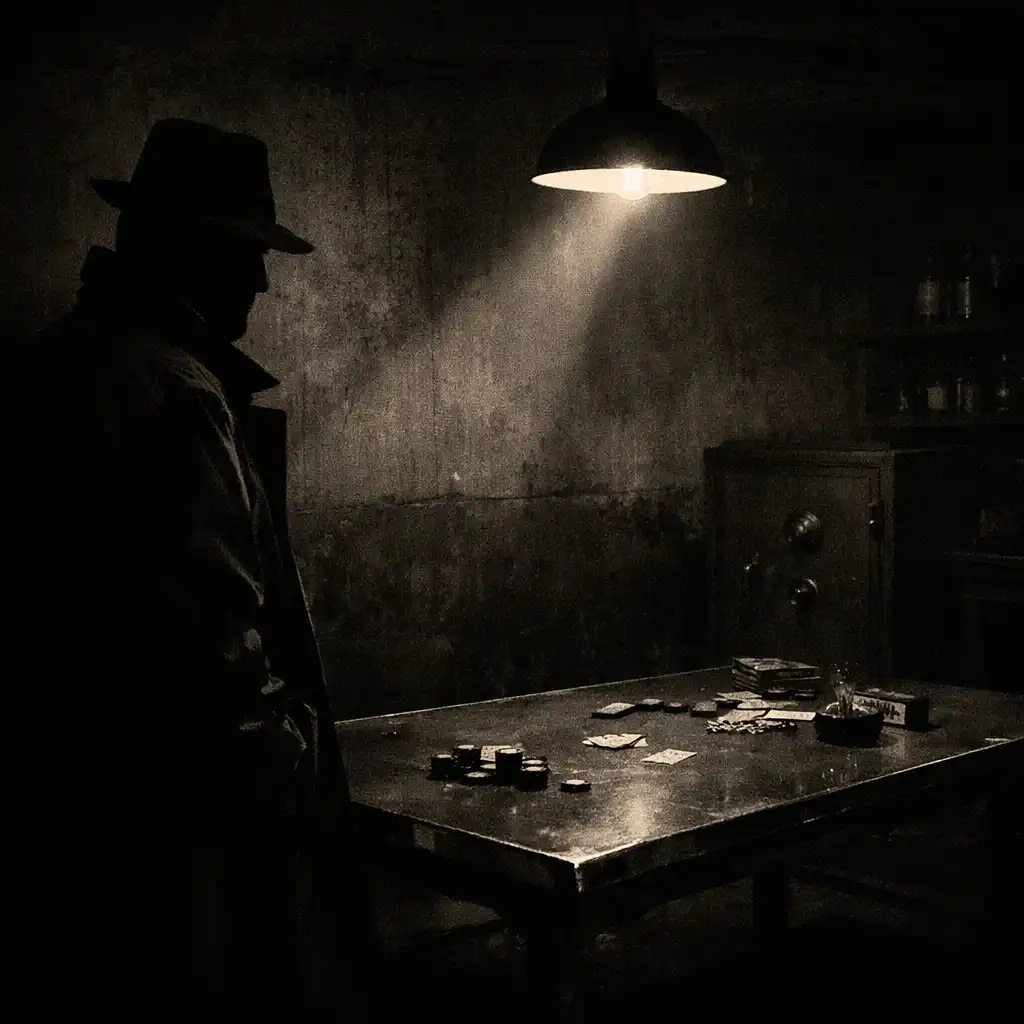
The criminal in casino films often embodies the dark side of the gambling world, from organised crime figures to lone wolves. Classical Hollywood films like Scarface (1932) linked casinos to bootlegging and crime. New Hollywood films like The Godfather (1972) deepened the criminal's family dynamics. Contemporary films explore the criminal's code and moral boundaries.
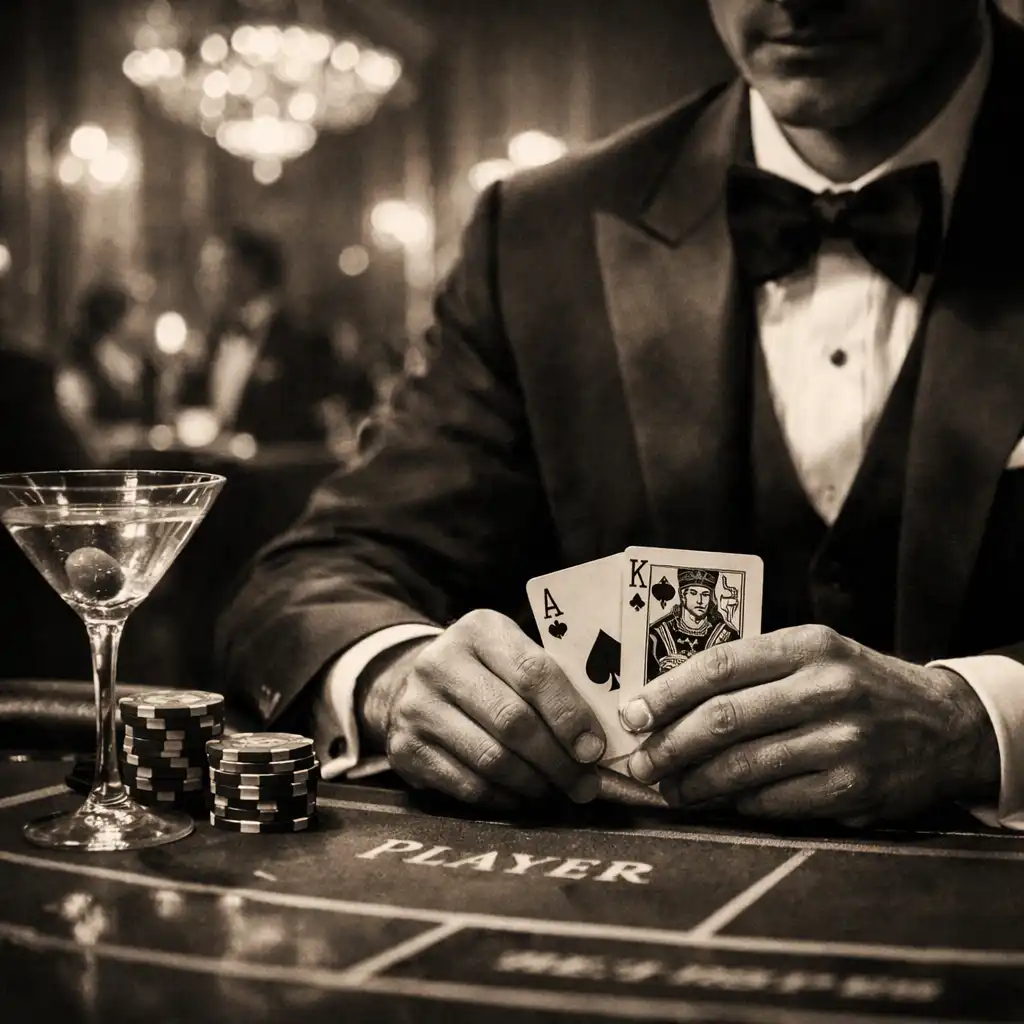
The spy in casino films often uses the gambling environment as a cover for espionage, blending high stakes with international intrigue. Cold War films like Dr. No (1962) established the casino as a glamorous spy setting. James Bond films frequently feature casino scenes, such as Casino Royale (2006). The spy archetype brings a different kind of risk: geopolitical rather than financial.
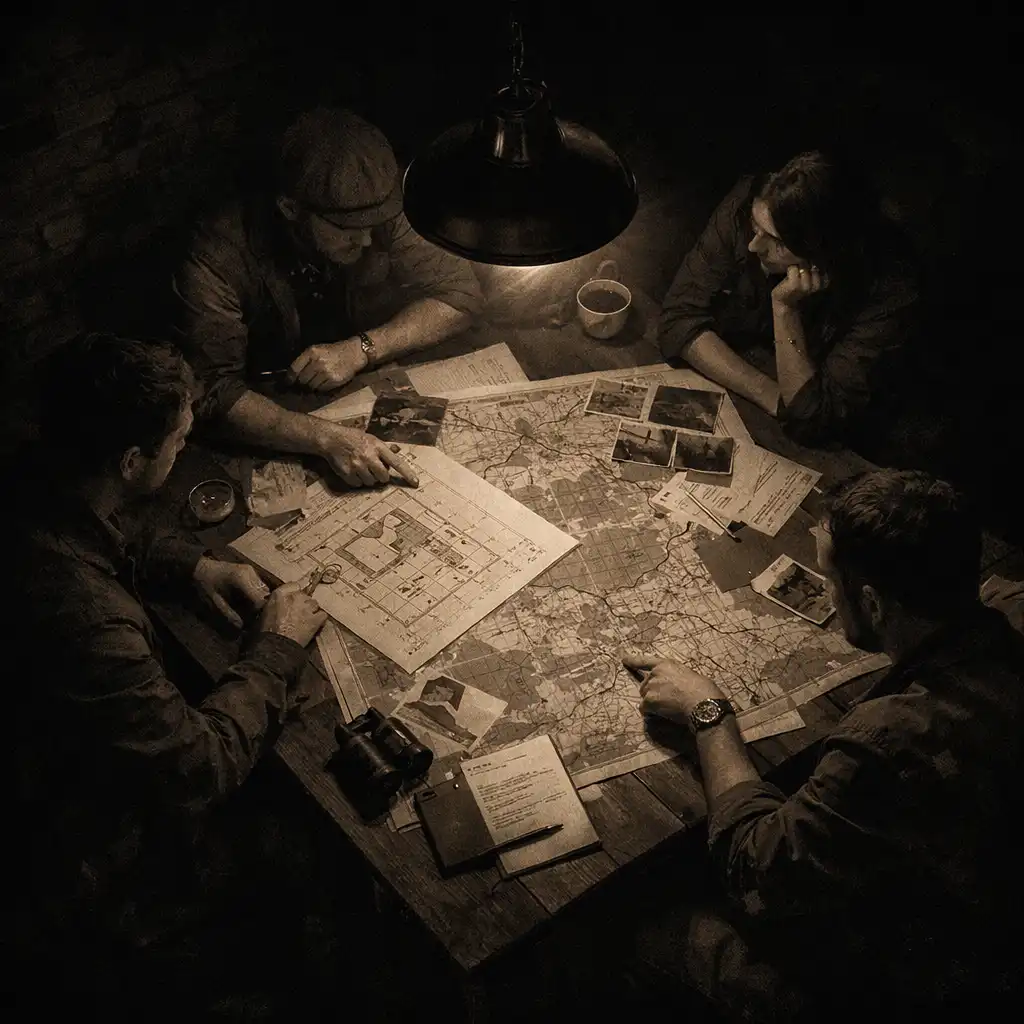
The heist crew in casino films brings together diverse skills and personalities, creating tension and camaraderie. Classic heist films like Ocean's 11 (1960) established the ensemble formula. New Hollywood films like The Sting (1973) added layers of con artistry. Contemporary films like Ocean's Eleven (2001) modernised the crew with wit and style.
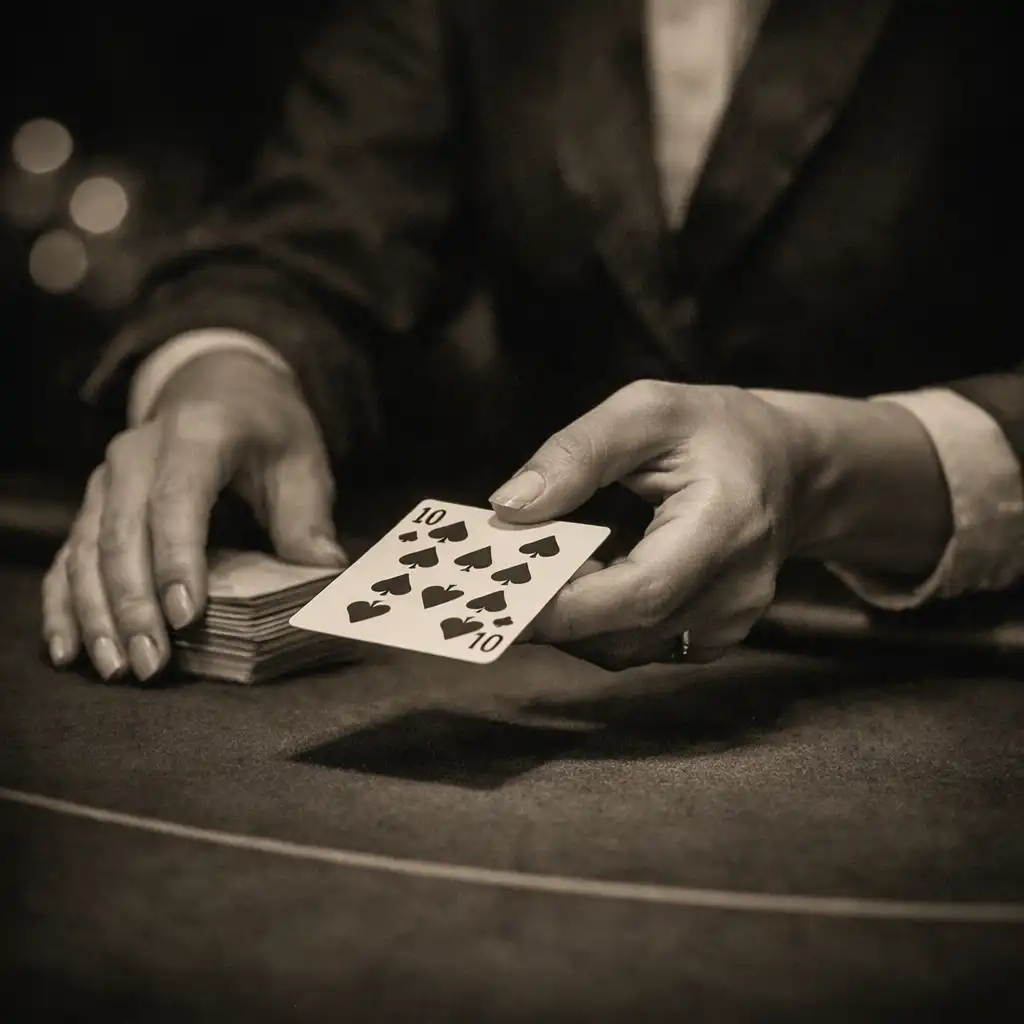
Casino icon films repeatedly use motifs like the close-up of cards, the spinning roulette wheel, and the exchange of chips to signal risk and control. The card close-up often reveals character through reaction shots. The roulette wheel symbolises chance and fate. Chip exchanges mark power shifts between characters.
The casino's visual language—neon, felt, and architecture—creates a consistent backdrop that shapes how icons are perceived. Neon lighting often signals glamour or danger depending on era. Felt tables provide a neutral stage for character interaction. Architecture, from opulent to seedy, reflects the icon's social status.